
The Dilemma of Precision in the Dark
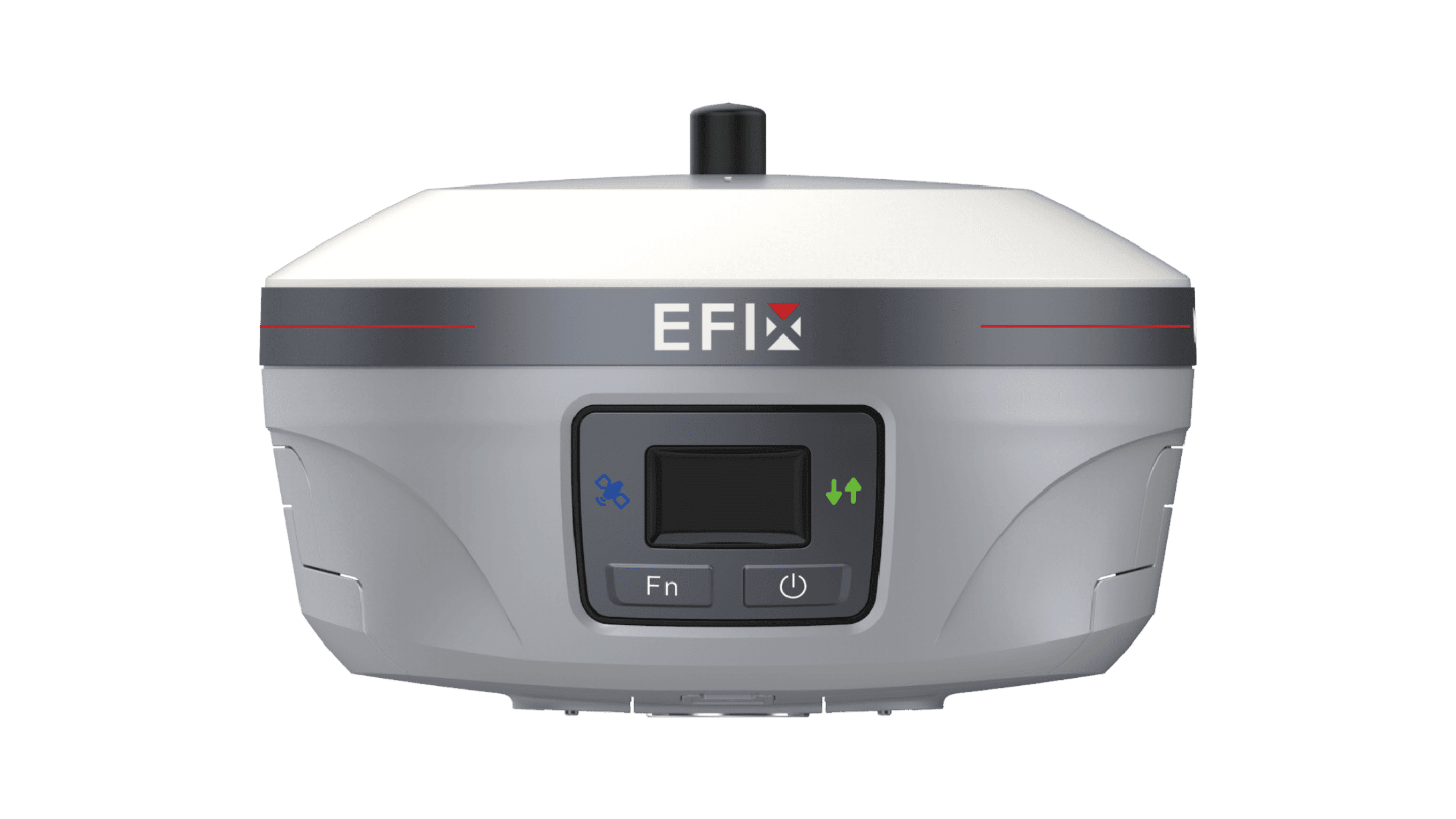
Picture this: a surveyor stands at the edge of a fog-laden field, tasked with mapping the land, yet battling the creeping uncertainty of signal accuracy. I can’t help but linger over this scene—why is precise data collection still a thorny issue? Among the technological beasts we rely on today, portable GNSS base stations rise from the shadows, fighting to bring clarity to murky situations. They boast the potential to transform workflows, but I often see professionals struggle with the limitations of traditional solutions. For instance, using an rtk gnss receiver can vastly improve data resolution and reliability, markedly shifting the landscape of fieldwork.
What Lurks Beneath the Surface?
However, easy access to such technology doesn’t always guarantee mastery. Hidden layers of user frustration often unfold within the complexities of setup and operation. From inconsistent connectivity to hardware failures at critical moments, these issues lead to costly delays. It’s haunting to consider how much potential remains untapped while practitioners wrestle with these persistent demons. Yet, I’ve seen first-hand how addressing these pain points can transform operations—embracing solutions that evoke a sense of ease and efficiency brings a refreshing light into the otherwise daunting task of navigation.
Forward-Thinking Approaches for Modern Needs
As I peer into the horizon of geospatial technology, the innovations surrounding portable GNSS systems give me hope. The dawn of advanced rtk gnss receivers doesn’t just promise improved accuracy; it leads to a universe where data streams line up for real-time processing, where efficiency bleeds into everyday workflows. Imagine a world where a surveyor sets up their equipment, and within moments, they’re fully immersed in crisp signals, unshackled from the mundane hassles of the past. If you’re still questioning the effectiveness of these tools, consider how far they’ve come since the early days of manual calibrations and erratic signal drops.
Real-world Impact: Embrace the Change
Surprisingly, not all advancements spark immediate enthusiasm. Many field professionals cling to traditional methods, fearing the unknown. As I examined these attitudes, it became evident that hands-on demonstrations could bridge that gap. When users experience the benefits firsthand—like seamlessly transferring data via mobile apps or witnessing how effectively an rtk gnss receiver locks onto satellites—they often shed their apprehensions. Investing in training can yield significant dividends, speeding up adoption rates and cultivating a more proficient workforce.
Lessons to Guide Your Path
As I reflect on this journey into the world of portable GNSS base stations, a few lessons emerge. First, always prioritize user education—it’s the backbone of success. Next, ensure that the chosen technology is flexible enough to adapt to your specific needs; not all projects require the same level of precision. Lastly, consult the experience of leading brands like EFIX. Making informed decisions can save you from unforeseen pitfalls and lead you toward a brighter, more accurate future.
In an era where choices abound, let your decisions be guided by clarity, intuition, and a willingness to embrace the shadows of innovation. As I often remind my colleagues, the most rewarding pathways are often the ones we dared to explore together, illuminating the mysteries hidden beneath the surface.